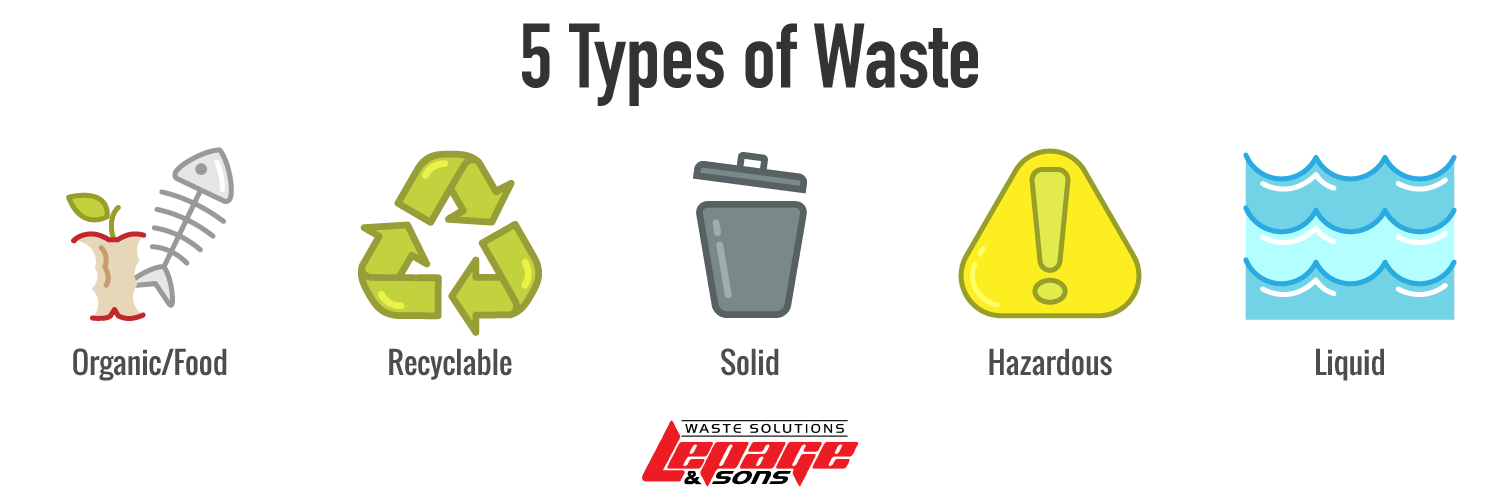
Organic/Food Waste/Compostable
Cooking meals at home can be healthier and save money compared to delivery and prepackaged meals, but you’re likely to create more food waste. Unless you can be extremely efficient and use every last bit of the food you prepare, you’ll be left with peels, scraps, and bones. Even though these are natural and not hazardous, if they go to a landfill, they decompose in a way that produces methane and carbon dioxide (greenhouse gases). In landfills, food waste is compressed so tightly, it lacks the air needed to biodegrade into nutrient-rich fertilizer.
Composting organic waste can eliminate 20-30% of the solid waste that goes into landfills while greatly reducing the amount of greenhouse gases produced. You can use at-home composting systems for your organic waste, or check with your local garbage collector to see if they offer compost pick up. Many communities are starting their own composting programs to collect organic waste, then providing the resulting fertilizer to residents.
The NRDC has more information about composting. The NRDC (Natural Resources Defense Council) works to safeguard the earth—its people, its plants and animals, and the natural systems on which all life depends. Visit their website for more information and resources.
Recyclable Waste
Reduce, Reuse, Recycle. Recycling is the last step of the process, breaking something down at the end of its useful life to be made into something else. The best way to reduce waste is to reduce the amount of single-use plastics, the second is to reuse the things you buy, and lastly is to recycle whatever can’t be reused.
The most commonly recyclable materials are paper, cardboard, metal, glass, and some types of plastic. There are some exceptions, but if you follow a few basic rules, your recyclables can be properly recycled.
Paper or cardboard that has been contaminated with food waste or oils can’t be recycled, but can often be composted. Most rigid plastics can be recycled, but they need to be clean, with any plastic film removed. Plastic films, bubble wrap, and grocery bags can’t be included in your recycling, but they can be brought to certain grocery or home improvement stores.
Solid Waste
Any solid materials that haven’t been composted, reused, or recycled, are your solid waste. This includes most household waste or building materials, like brick, concrete, and drywall.
Hazardous Waste
Flammable, corrosive, toxic, or reactive materials can be defined as hazardous waste due to the threat they pose to us and the environment. This includes:
- Batteries
- Light bulbs
- electronics
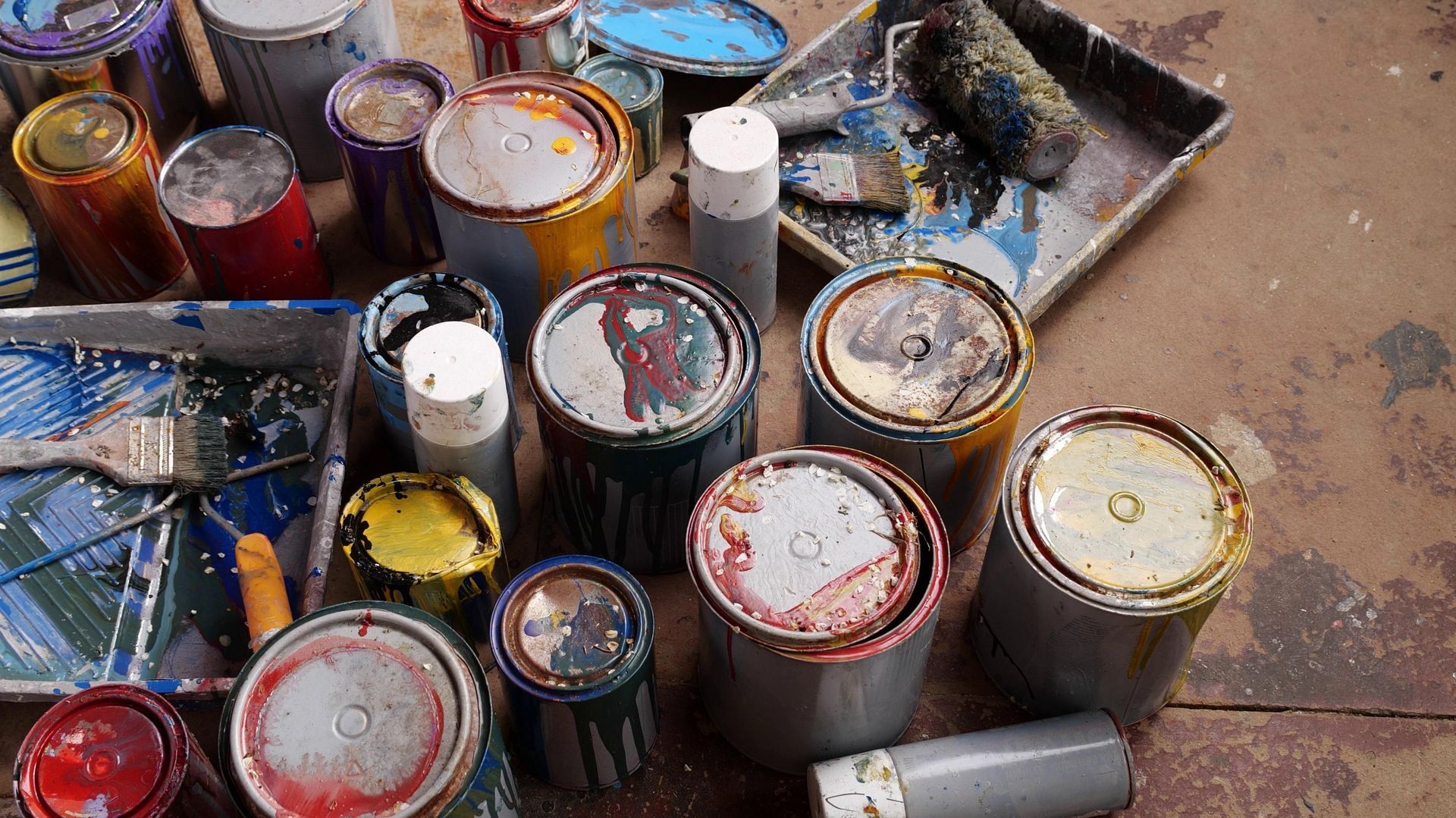
- paint
- garden chemicals
- , motor oil
- sharps
- household chemicals
These items need special disposal to minimize the negative impact they can cause.
Liquid Waste
Liquid waste is often the water we use when it goes down the drain. Most people don’t give a second thought to what goes down the drain. There are a few things you shouldn’t put down your drain
- Grease
- Fats
- Oil
These cause clogged pipes and sewer overflow.
- Household fluids
- Cleaning chemicals
- Medication
- Paint
These contaminate water supplies for people and wildlife.
It’s easy to toss things out without a thought, but that’s leading to major problems. Proper disposal of waste make things a little better for all of us. If you have any questions about how LePage & Sons can help you properly dispose of waste, please reach out to us.